


Insights from Over Seven Decades of Lived Experience, Mindfulness Practice, and [W]holistic Health
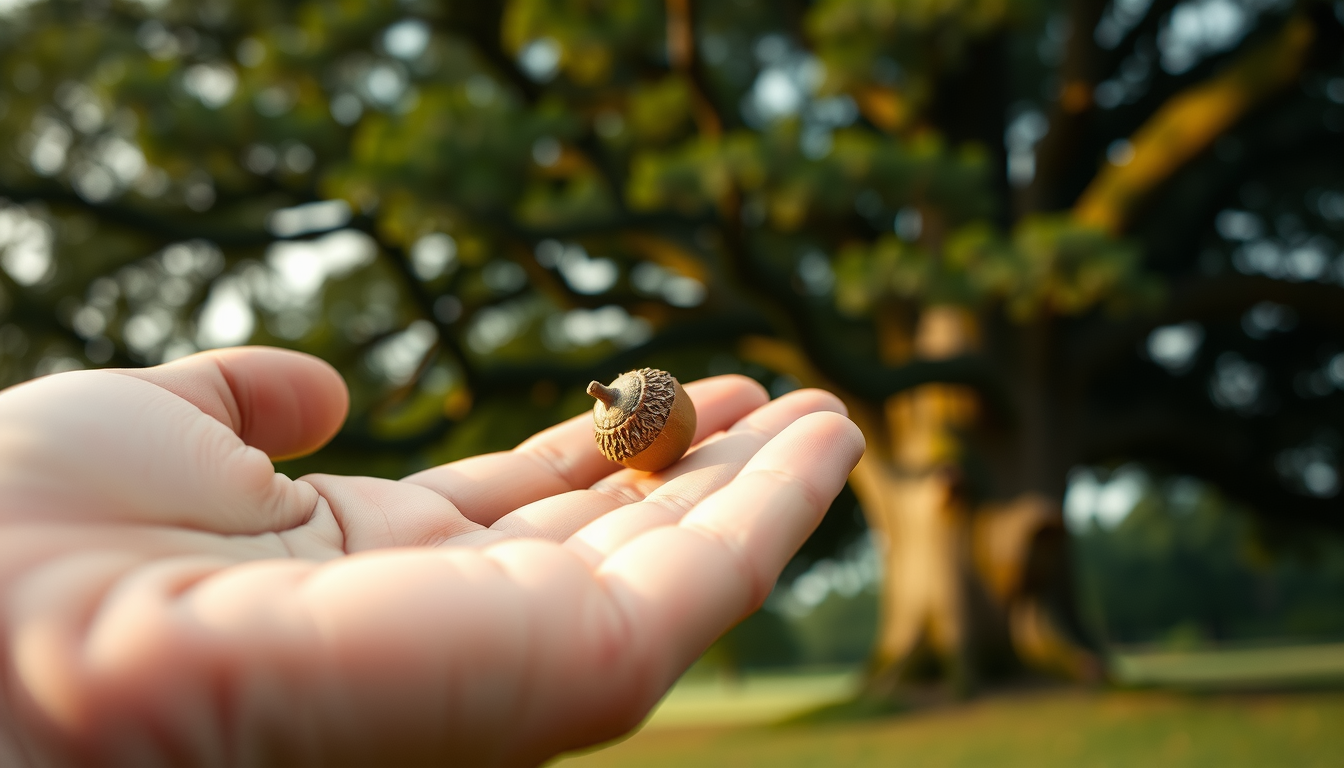
I often say that intention is like the seed of a giant oak tree—small yet containing infinite possibility. Over the past seven decades, I have witnessed remarkable transformations in individuals who consciously focus on setting intentions and combine that with the conscious choice to incorporate tangible actions in support of those intentions. Whether they sought relief from anxiety, stress, and trauma or yearned for a deeper sense of purpose and vitality, the common thread has always been intention followed by action.
I’ve had the privilege of spending over a dozen years counseling and coaching people on ways to manage stress, anxiety, and trauma through mindfulness and present moment awareness without judgment. My path includes teaching more than 30 Mindfulness-Based Stress Reduction (MBSR) programs, earning multiple advanced degrees (including from an Ivy-League law school), working at a Fortune 50 corporation, competing as an intercollegiate athlete and triathlete, practicing Aikido, and studying timeless wisdom from diverse traditions – – yoga, Buddhist, Judeo-Christian, Hermetic, Sufi and The Tao among them.
At 70+ years old, I find myself reflecting on how setting intentions has not only shaped my journey but has also profoundly influenced the lives of the many individuals I’ve coached. Today, I want to share some illustrative insights on the power of setting intentions and why it’s essential for a holistic, healthy, and joyful life, especially for men ages 50+ (maybe younger) who may be grappling with the perplexities of the modern world and vexing complexities of midlife or beyond.
Why Setting Intentions Matters
As we cross the timeline where most New Year’s resolutions wane and old habits reestablish themselves unconsciously, it is practiced intention followed by focussed actions that makes the difference.
Modern science increasingly underscores the importance of “intentionality.” Research in psychology and neuroscience shows that when we direct our attention purposefully we can literally rewire neural pathways. This neural plasticity allows us the potential to reduce stress, decrease pain sensitivity, improve emotional regulation, and elevate our overall mental health.

Research has consistently demonstrated the profound impact of intentionality on human behavior and well-being. Peter Gollwitzer’s seminal work on implementation intentions showed that forming simple, specific “if-then” plans significantly increases goal achievement rates. This research revealed that people who focus on setting intentions and forming clear plans are up to three times more likely to achieve their goals compared to those who don’t. Golliwitzer’s approach links intentions to anticipated critical situations to further goal-directed responses . Setting intentions delegates the control of goal-directed responses to anticipated situational cues, which, if practiced mindfully, will (when actually encountered) elicit appropriate responses automatically when actually encountered (e.g., “when I feel hunger, I will pause and mindfully respond and shift my attention, awareness and focus to my intended goal of health and wellbeing.)
Intentions differ from mere goals, hopes or wishes. A goal is something we hope to achieve – – like losing 10 pounds, or completing a triathlon. An intention, however, is deeper; it’s a guiding principle that shapes our approach to everything in life and helps us find purpose. For instance, you might set the intention to ”be more perseverant” or “live a life of health and wellbeing” or “nurture patience and compassion.” While achieving the intention may not be as quantifiable as a goal, it will profoundly influence how you live and how you achieve your goals.
The [W]holistic Framework: Mind, Body, Emotion, and Spirit
The most sustainable changes arise when people adopt a [w]holistic approach—one that includes the physical, mental, emotional, and spiritual dimensions of well-being. This is especially relevant for men 50+, who often face multiple life transitions—career changes, shifts in family roles, and evolving physical health needs and challenges.
- Physical
- Mindful Movement: Yoga, Pilates, or Aikido fosters a deeper mind-body connection.
- Nutrition: Being intentional about what you eat helps sustain energy, vitality, and resilience..
- Mental
- Meditation and Mindfulness: A daily practice—5 to 20 minutes—cultivates mental focus and clarity, and reduces reactivity.
- Continuous Learning: Embracing a mindset of curiosity can stave off stagnation and nurture creativity.
- Emotional
- Emotional Intelligence: Intentionally acknowledging and validating emotions—both yours and others’.
- Supportive Relationships: Fostering healthy male friendships and open communication with partners and loved ones.
- Spiritual
- Purpose and Meaning: Understanding what drives you at the core—be it service, creativity, or familial love.
- Interconnectedness: Recognizing that we are part of a larger tapestry, which fosters humility, compassion and gratitude.
When men approach health in this [w]holistic way, they are better able to navigate challenges such as stress, relationships, aging with vitality, and even confronting mortality. It becomes clear that the whole is much greater than the sum of its parts—and that setting intentions catalyzes and integrates balance and harmony across the four dimensions of mind, body, heart-emotions, and energy-soul.
Men, Midlife, and the Power of Deliberate Choice
As co-hosts of the “AgeDifferently” podcast, we frequently observe a shared narrative among men in their 50s, 60s, and 70s:
- A reluctance to speak openly about emotional struggles.
- A sense, a resignation, that physical decline is inevitable.
- Questioning one’s purpose post-career or post-children.
Yet, we’ve also discovered a liberating truth: it’s never too late to pivot. By setting clear intentions—“I intend to take responsibility for my health” or “I intend to build deeper emotional connections”—and committing to take the steps necessary to realize those intentions, men begin to shift their inner dialogue, mindset, behaviors, and ultimately their life paths.
From Avoidance to Embrace
The simple act of naming an intention gives it power. Men who once avoided doctors or disliked discussing their feelings suddenly find themselves curious about meditation or willing to join a men’s group for support. When approached as an opportunity for learning and growth rather than a chore, these actions can be genuinely transformative.

Timeless Wisdom
The synchronicity of the timeless wisdom of yoga, Buddhism, Judeo-Christian thought, and Sufi philosophy has become more evident and I have infused it into all aspects of my daily life. Despite their distinct flavors, these traditions share core principles relevant to the power of intention:
- Mindfulness of Thoughts: Recognizing the impermanence and fluidity of our mental landscape.
- Heart-Centered Living: Practicing compassion – – towards oneself and others.
- Non-Judgmental Awareness: Observing reality without labeling experiences as “good” or “bad.”
- Purposeful Action: Aligning daily activities with the deeper “why” that propels us.
In my own journey— whether studying law at an Ivy-League institution, leading a team at a Fortune 50 company, or recovering from the physical demands of triathlon training—maintaining a mindful and intentional approach has been the bedrock of discipline, strength, resilience, creativity, and joy.
Practical Ways to Implement Intention
- Morning “Heart Check”
- Upon waking, place a hand on your heart. Ask yourself: What is my intention for today? Keep it simple—“To approach work with patience,” or “To be kind to my partner.”
- My own “check-in” each morning is: “What is required of me today for my purpose, self-care, health, healing and wellbeing, for my personal development and growth, for the healing of the Earth and humanity, as well as, for my continued evolution of consciousness.”
- Mindful Movement Breaks
- Throughout the day, incorporate movement in any form like brief stretches, standing yoga poses, or mindful walking. This not only increases blood flow but also reinforces your intention to care for your body.
- Daily Reflection or Journaling
- Dedicate five minutes each evening to reflect on how you lived your intention. Notice if you veered off course and celebrate moments of alignment.
- Cultivate Community
- Engage in groups (online or in-person) where open conversation and accountability are encouraged—whether that’s a men’s circle, a mindfulness meetup, or listening to a podcast like Age Differently.
- Regular Meditation Practice
- Even 5-10 minutes a day can significantly lower stress responses and enhance self-awareness. Apps, guided videos, and individual or group sessions can offer structure.
Tune In: The Age Differently Podcast
For those eager to explore these ideas further, Darius (in his 50s) and I (in my 70s) dive deeper into men’s health, resilience, and vitality in our podcast AgeDifferently. We tackle topics that men frequently avoid—stress management, relationships, male friendships, nutrition, finding purpose, the insidiousness of stress, and even the inevitability of death and dying. Our goal is to spark reflection and meaningful, life-changing actions in at least one listener—maybe you.What sets our conversations apart is the focus on application and embodied experience. Like intention itself, it’s one thing to know something intellectually and another to live it fully, day by day, moment-by-moment.
Closing Reflections
Setting Intentions is a potent catalyst for transformation. It aligns your thoughts, behaviors, and relationships with your deepest values. By integrating intention into a [w]holistic view of health—encompassing mind, body, emotion, and spirit—you pave the way for resilience, fulfillment, joy, and a more vibrant life at any age.

Whether you’re navigating the complexities of midlife, grappling with new health concerns, or simply seeking deeper fulfillment, remember this: Your power to consciously choose is ever-present. With mindful, heart-centered intention, you can indeed AgeDifferently—and live each day with greater awareness, authenticity, and purpose.
Join the Conversation
- Listen to the Age Differently Podcast to consider and explore new perspectives on men’s health and well-being.
- Consider MBSR or Mindful Life Coaching if you’re looking for structured support to navigate stress, anxiety, or life transitions.
- Stay Curious: Keep learning, keep questioning, and keep your heart open to new possibilities.
“Intention is the bridge between where you are and where you want to be. Choose yours consciously, and watch your life transform optimally.”